

Things You Should Know
About DIY Recipes
Making your own non-toxic products is a rewarding way to take control of what you’re putting on your skin and into your home. But there are a few important things to keep in mind when it comes to DIY recipes.
-
Fresh ingredients matter
-
Know your containers
-
Label EVERYTHING
-
Storage tips
-
Shelf life
-
Not all essential oils are safe for everyone

1. Fresh Ingredients Matter
Oils, butters, and other natural ingredients do expire! Always check for freshness and store your ingredients in a cool, dark place to maximize their life. Ingredients like rosehip oil and flaxseed oil spoil faster than others and may need refrigeration.

2. Know your Containers
Use glass, stainless steel, or high-quality BPA-free plastic for storing DIY products, especially those with essential oils, which can break down plastic over time.
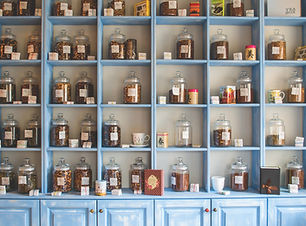
3. Label EVERYTHING
Always date and label your homemade products so you can track freshness and ingredients. This is especially helpful if you're trying multiple recipes to see what works best for you.

4. Storage tips
Most DIY products last longer when kept away from heat, sunlight, and humidity. Some recipes may do best in the fridge (like aloe-based sprays or fresh masks).

5. Shorter shelf life
DIY products often skip the artificial preservatives and stabilizers found in store-bought products. While that’s great for reducing toxin exposure, it also means shorter shelf life—especially in recipes that contain water, aloe, honey, or fresh ingredients.
-
Make small batches
-
Use clean, sanitized tools and containers
-
Watch for changes in smell, texture, or appearance

6. Not all essential oils are safe for everyone
Essential oils are potent. Some aren’t safe for children, pregnancy, pets, or sensitive skin. Always do your research and consider patch testing new recipes before using them fully.